If you’re asking, “Who offers the best AC installation deals near me?” or “Where can I get a high-efficiency air conditioner with a strong warranty?”, you’re not alone.
Florida homeowners rely on powerful, energy-efficient cooling systems year-round. At All-Pro Electrical & Air Conditioning, we make upgrading your comfort simple, affordable, and stress-free.
Right now, we’re helping homeowners stay cool and save money with an unbeatable deal:
If your current system is struggling, inefficient, or constantly needing repairs, this is the perfect time to upgrade.
Many people search: “Is a high-efficiency air conditioner worth it in Florida?”
The answer is yes—especially in hot, humid climates.
Benefits include:
Upgrading now can significantly improve both comfort and long-term savings.
When homeowners ask, “Which AC brand has the best warranty?”, Daikin stands out.
Daikin offers a 12-year parts limited warranty on many high-efficiency
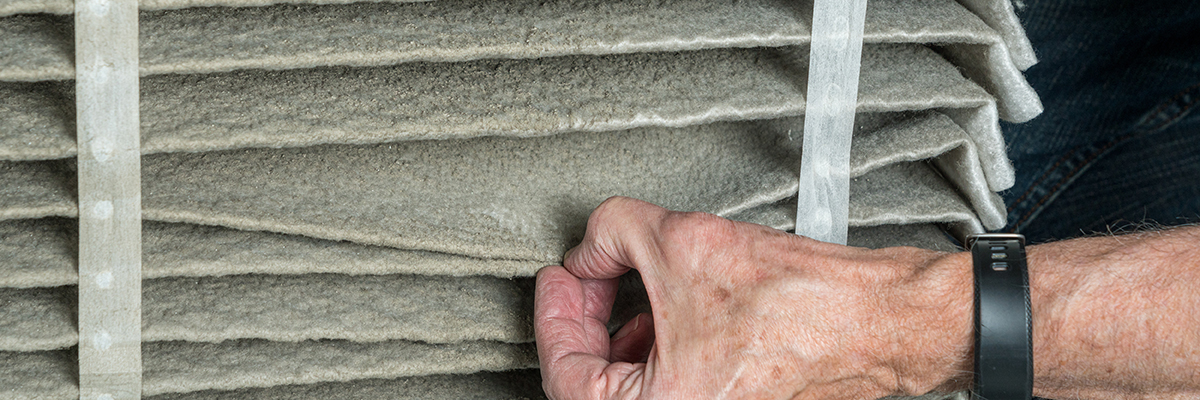
High-quality air filters cost more, but they can easily pay for themselves by improving indoor air quality (IAQ), reducing the likelihood of expensive repairs, and improving your system’s efficiency and performance. In fact, it’s estimated that a clean, high-quality air filter can reduce your air conditioner’s energy consumption by as much as 16 percent!
The basic function of any air filter is to trap dust, pollen, mold spores, and other airborne particles in its fibers. As filters age and deteriorate, they lose the ability to trap new particles, and they can release those same fibers and other debris into your system.
Higher-quality air filters will trap more particles, this is particularly important if you suffer from allergies or a respiratory condition like asthma or COPD, but a higher MERV rating is no substitute for a properly fitting filter that is changed regularly, and you can overdo it. A higher MERV rating means less airflow, which can damage your HVAC system.
When any air filter becomes clogged, air will bypass the filter
Environmental Protection Agency (EPA) studies suggest that pollutant levels inside your home can be 2 to 5 times higher than outdoor levels and common indoor pollutants, including biological contaminants (e.g., bacteria, viruses, animal dander, cat saliva, dust mites, cockroaches, and pollen), volatile organic compounds (VOCs), carbon monoxide (CO), radon (RN), and secondhand smoke, have all been linked to negative health outcomes from allergies and asthma to lung cancer and heart disease.
What’s more, the EPA estimates that Americans spend as much as 90% of their time indoors, making Indoor Air Quality (IAQ) an area of great concern across the country. In fact, IAQ is now the second highest HVAC priority for homeowners, behind energy efficiency.
Many homeowners have tried to mitigate indoor air pollution with portable filtration systems, but these measures cannot provide the health and comfort benefits of a whole-home solutions.
If you’re concerned about the air inside your home, ask yourself…
We rarely think about the quality of the air inside our homes, but Environmental Protection Agency (EPA) studies suggest that indoor levels of pollutants may be two to five times — and occasionally more than 100 times — higher than outdoor levels!
Common indoor pollutants like biological contaminants (e.g., bacteria, viruses, animal dander, cat saliva, dust mites, cockroaches, and pollen), volatile organic compounds (VOCs), carbon monoxide (CO), radon (RN), indoor particulate matter; and secondhand smoke have been linked to negative health outcomes ranging from allergies and asthma to lung cancer and heart disease.
The good news is that, when it comes to the quality of the air inside your home, you can take matters into your own hands. For that, the EPA suggests three basic strategies:
Source Control
Some sources of pollution, like asbestos, should just be eliminated. Others, like gas emanating from a gas stove, can be adjusted to reduce emissions.
Improved Ventilation
Increasing the amount of outdoor air inside your home by opening windows and doors, operating attic fans, or running a window unit with the